

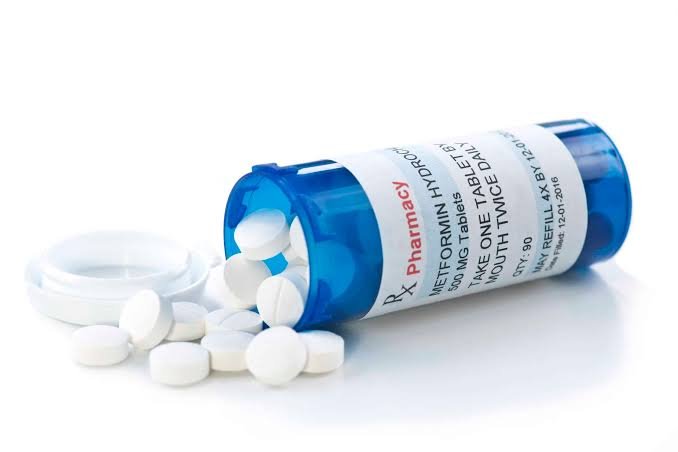
Metformin
Original price was: €600.00.€450.00Current price is: €450.00.
Metformin tablets are a prescription medicine used to help manage type 2 diabetes by lowering blood glucose levels and improving the body’s response to insulin. Available in standard and modified-release formulations, metformin supports long-term diabetes management when combined with a healthy lifestyle. Order online from Redcare Pharmacy following approval by a qualified healthcare professional.
Description
Metformin Tablets
Metformin is one of the most widely prescribed medicines for managing type 2 diabetes. It helps control blood glucose levels and is commonly recommended alongside a healthy diet, regular physical activity, and lifestyle changes. By improving the body’s response to insulin and reducing the amount of glucose produced by the liver, metformin supports long-term blood sugar control and helps lower the risk of diabetes-related complications.
Metformin belongs to a group of medicines known as biguanides. It has been used for decades and remains a first-line treatment for adults with type 2 diabetes because of its proven safety profile and effectiveness. In certain situations, healthcare professionals may also prescribe metformin for other medical conditions where improving insulin sensitivity is beneficial.
For detailed prescribing information, visit the European Medicines Agency (EMA) and the Electronic Medicines Compendium (eMC).
What is Metformin?
Metformin is a prescription medicine used primarily to treat type 2 diabetes mellitus. It helps reduce elevated blood glucose levels in adults whose bodies do not use insulin effectively. Treatment with metformin is usually combined with healthy eating habits, regular exercise, and weight management to achieve the best possible results.
The medicine contains the active ingredient metformin hydrochloride and is available as both generic and branded products. Regardless of the manufacturer, medicines containing the same active ingredient are required to meet strict European quality, safety, and efficacy standards.
Metformin is available in several formulations, including:
- Standard-release tablets.
- Modified-release (prolonged-release) tablets.
- Oral solution for patients who have difficulty swallowing tablets.
Healthcare professionals occasionally prescribe metformin for conditions other than type 2 diabetes, including insulin resistance associated with polycystic ovary syndrome (PCOS). The suitability of this treatment depends on the individual patient and should always be determined by a qualified healthcare provider.
How Does Metformin Work?
Type 2 diabetes develops when the body becomes resistant to insulin or does not produce enough insulin to regulate blood glucose effectively. As a result, glucose builds up in the bloodstream instead of being transported into cells where it is needed for energy.
Metformin helps restore better blood sugar control through several complementary actions. It decreases the amount of glucose produced by the liver, improves the body’s sensitivity to insulin, and reduces the amount of glucose absorbed from food within the digestive tract.
Unlike some diabetes medicines, metformin does not stimulate the pancreas to release additional insulin. This means it carries a relatively low risk of causing hypoglycaemia when taken on its own.
Maintaining healthy blood glucose levels over time helps reduce the risk of diabetes-related complications affecting the heart, kidneys, eyes, nerves, and blood vessels.
More information about diabetes management is available from the International Diabetes Federation and the World Health Organization.
Benefits of Metformin
Metformin is recommended as a first-line treatment for many adults diagnosed with type 2 diabetes because it provides effective long-term blood sugar control without promoting weight gain in most patients.
Key benefits include:
- Helps lower blood glucose levels.
- Improves insulin sensitivity.
- Reduces glucose production by the liver.
- Decreases glucose absorption from the digestive system.
- Supports long-term diabetes management.
- May help with modest weight reduction in some individuals.
- Carries a low risk of hypoglycaemia when used alone.
- Available in multiple strengths and formulations to suit different patient needs.
Combined with healthy lifestyle choices, metformin helps improve HbA1c levels, an important marker used to assess average blood sugar control over several months.
How Long Does Metformin Take to Work?
Many people begin to notice improvements in their blood glucose readings within the first week of treatment. However, achieving the full therapeutic benefit usually takes several weeks, and for some individuals it may require several months depending on dosage, lifestyle changes, and the severity of diabetes.
Your healthcare provider will monitor your progress through regular blood tests, including HbA1c measurements, to evaluate how well your treatment is working.
Signs That Metformin Is Working
Successful treatment may be reflected by several improvements, including:
- Lower fasting blood glucose readings.
- Reduced HbA1c levels.
- Improved daily blood sugar stability.
- Better energy levels.
- Modest weight loss or stable body weight.
Not every patient experiences the same results. Continue taking your medication exactly as prescribed and attend regular follow-up appointments with your healthcare provider.
Standard-Release vs Modified-Release Metformin
Metformin is available in both immediate-release and modified-release formulations.
Standard-release tablets release the medicine shortly after swallowing and are often taken two or three times each day with meals.
Modified-release tablets release metformin gradually over several hours, allowing many patients to take the medicine once daily while helping reduce gastrointestinal side effects.
Your healthcare provider will prescribe the formulation that best matches your medical needs and treatment goals.
How to Take Metformin
Always take metformin exactly as prescribed. Swallow tablets whole with a glass of water unless your healthcare professional advises otherwise. Modified-release tablets should never be crushed, split, or chewed because this affects how the medicine is released.
Taking metformin with or immediately after food helps reduce the likelihood of stomach-related side effects such as nausea or diarrhoea.
Your doctor will usually begin treatment with a lower dose before gradually increasing it over several weeks. This gradual approach allows your body to adjust while improving tolerability.
Available Strengths
Metformin tablets are commonly available in:
- 500 mg
- 850 mg
- 1000 mg
Your prescribed dose depends on factors including your blood glucose levels, kidney function, age, current medicines, and overall health. Never adjust your dose without medical advice.
Missed Dose and Overdose
If you forget to take a dose of metformin, take your next scheduled dose at the usual time. Do not take two doses together to make up for a missed dose, as this increases the risk of unwanted side effects.
Taking more metformin than prescribed can increase the risk of a rare but serious condition called lactic acidosis. Symptoms may include severe tiredness, muscle pain, stomach pain, vomiting, rapid breathing, dizziness, feeling cold, or an irregular heartbeat. If an overdose is suspected or these symptoms develop, seek immediate medical attention.
Possible Side Effects
Like all medicines, metformin may cause side effects, although many people take it without experiencing significant problems. Digestive symptoms are the most common, particularly during the first few weeks of treatment. These often improve as the body adjusts to the medication.
Common side effects include:
- Nausea.
- Vomiting.
- Diarrhoea.
- Abdominal discomfort or stomach cramps.
- Loss of appetite.
- A metallic taste in the mouth.
Long-term treatment with metformin may reduce vitamin B12 levels in some people. Your healthcare provider may recommend periodic blood tests if long-term treatment is required.
Rare side effects include:
- Skin rash, itching, or redness.
- Changes in liver function.
- Inflammation of the liver (hepatitis).
- Lactic acidosis, a rare medical emergency requiring urgent treatment.
If you experience persistent side effects, severe abdominal pain, yellowing of the skin or eyes, difficulty breathing, or symptoms of an allergic reaction, stop taking the medicine and contact a healthcare professional immediately.
Warnings and Precautions
Before starting metformin, tell your doctor if you have kidney disease, liver disease, heart failure, severe dehydration, or any condition that may affect kidney function. These conditions may influence whether metformin is suitable for you.
Your healthcare provider may perform blood tests before treatment begins and at regular intervals afterwards to monitor kidney function and ensure the medicine remains appropriate.
Excessive alcohol consumption should be avoided while taking metformin, as alcohol may increase the risk of lactic acidosis.
Medicines That May Interact With Metformin
Some medicines may affect how metformin works or increase the likelihood of side effects. Tell your healthcare provider about all prescription medicines, over-the-counter medicines, vitamins, and herbal supplements you are taking.
Examples include:
- Other medicines used to treat diabetes.
- Diuretics (water tablets).
- Corticosteroids.
- Medicines used to treat asthma, including beta-2 agonists.
- Non-steroidal anti-inflammatory drugs (NSAIDs).
- Certain medicines used to treat high blood pressure.
- Some antibiotics and antiviral medicines.
- Medicines that may affect kidney function.
Your healthcare professional will determine whether any dose adjustments or additional monitoring are required.
Pregnancy and Breastfeeding
If you are pregnant, planning a pregnancy, or think you may be pregnant, consult your healthcare provider before starting or continuing metformin. Treatment decisions during pregnancy are made on an individual basis to achieve optimal blood glucose control while protecting both mother and baby.
Metformin passes into breast milk in small amounts. Whether treatment is appropriate while breastfeeding should be discussed with your healthcare professional.
Driving and Using Machinery
Metformin taken on its own is unlikely to cause low blood sugar. However, when combined with insulin or certain other diabetes medicines, hypoglycaemia may occur.
Symptoms of low blood sugar include:
- Dizziness.
- Sweating.
- Shaking.
- Blurred vision.
- Difficulty concentrating.
- Confusion.
If you experience these symptoms, avoid driving or operating machinery until you have recovered fully.
Buying Metformin Online
Metformin is a prescription-only medicine and should only be used following assessment by a qualified healthcare professional. At Redcare Pharmacy, eligible patients can request treatment through a secure online consultation. Once your consultation has been reviewed and approved, your medication will be dispensed by a licensed pharmacy and delivered discreetly to your chosen address.
Always take metformin exactly as prescribed and continue following dietary and lifestyle recommendations provided by your healthcare professional. Regular monitoring of blood glucose and HbA1c levels remains an important part of successful diabetes management.
Additional Information
For further information about metformin and the management of type 2 diabetes, consult these trusted medical resources:



Reviews
There are no reviews yet.