
Quetiapine fumarate
Original price was: €500.00.€300.00Current price is: €300.00.
Quetiapine tablets are a prescription medicine used to treat schizophrenia, bipolar disorder, and, in some cases, major depressive disorder alongside other treatments. They work by helping restore the balance of brain chemicals involved in mood, thinking, and behaviour. Available through Redcare Pharmacy following approval by a qualified healthcare professional.
Description
Quetiapine Tablets
Quetiapine is a prescription medicine used to treat several mental health conditions, including schizophrenia and bipolar disorder. It belongs to a class of medicines known as atypical antipsychotics and helps regulate the activity of certain neurotransmitters in the brain. By restoring the balance of these chemical messengers, quetiapine can reduce symptoms such as hallucinations, delusions, mood instability, and disorganised thinking.
Quetiapine is available in different strengths and formulations to meet individual treatment needs. Your healthcare professional will determine the most appropriate dose based on your diagnosis, symptoms, and response to treatment. Successful treatment often combines medication with psychological support, lifestyle changes, and regular medical follow-up.
For prescribing information, visit the European Medicines Agency (EMA) and the Electronic Medicines Compendium (eMC).
What Is Quetiapine?
Quetiapine is an atypical antipsychotic medicine prescribed to manage several psychiatric disorders. It is commonly used to treat schizophrenia and bipolar disorder and, in some cases, may be prescribed alongside other medicines for major depressive disorder when recommended by a healthcare professional.
The medicine is available as generic quetiapine tablets and under several brand names. Both generic and branded products contain the same active ingredient and must meet strict European quality, safety, and effectiveness standards.
Quetiapine is available in immediate-release and prolonged-release formulations, allowing healthcare professionals to tailor treatment according to each patient’s clinical needs.
How Does Quetiapine Work?
The brain relies on neurotransmitters such as dopamine and serotonin to regulate mood, emotions, behaviour, and thinking. In certain psychiatric conditions, the balance of these neurotransmitters becomes disrupted, contributing to symptoms including hallucinations, mood swings, anxiety, agitation, and impaired concentration.
Quetiapine works by influencing dopamine and serotonin receptors in the brain. This helps restore a healthier balance of neurotransmitter activity, reducing psychotic symptoms while improving mood stability and emotional wellbeing.
Although symptom improvement may begin within the first few weeks, some patients require several weeks of continuous treatment before experiencing the full therapeutic benefit. It is important to continue taking the medicine exactly as prescribed unless your healthcare provider advises otherwise.
What Is Quetiapine Used For?
Quetiapine may be prescribed for several mental health conditions, including:
- Schizophrenia.
- Bipolar disorder, including manic and depressive episodes.
- Maintenance treatment for bipolar disorder to help reduce future episodes.
- Adjunctive treatment for major depressive disorder when used with other antidepressant medicines, where clinically appropriate.
Your doctor will determine whether quetiapine is suitable for your specific condition based on your medical history and current symptoms.
Benefits of Quetiapine
When taken as prescribed, quetiapine offers several important therapeutic benefits that support long-term mental health management.
- Helps reduce hallucinations and delusional thinking.
- Improves concentration and organised thinking.
- Stabilises mood in bipolar disorder.
- Reduces the frequency and severity of manic episodes.
- Helps manage depressive symptoms when prescribed appropriately.
- May reduce anxiety and agitation associated with psychiatric illness.
- Supports long-term symptom control when combined with ongoing medical care.
Individual treatment responses vary, and regular follow-up appointments allow healthcare professionals to assess progress and adjust treatment if necessary.
How to Take Quetiapine
Always take quetiapine exactly as prescribed by your healthcare professional. Tablets should be swallowed whole with water and may be taken with or without food, depending on your prescribed formulation.
Treatment usually begins with a lower dose that is gradually increased over several days. This helps minimise side effects while allowing your body to adjust to the medicine.
To achieve the greatest benefit, take your medication at the same time each day. Do not stop treatment suddenly without medical supervision, as abrupt discontinuation may lead to withdrawal symptoms or a return of your underlying condition.
Available Strengths
Quetiapine tablets are commonly available in several strengths, including:
- 25 mg
- 50 mg
- 100 mg
- 150 mg
- 200 mg
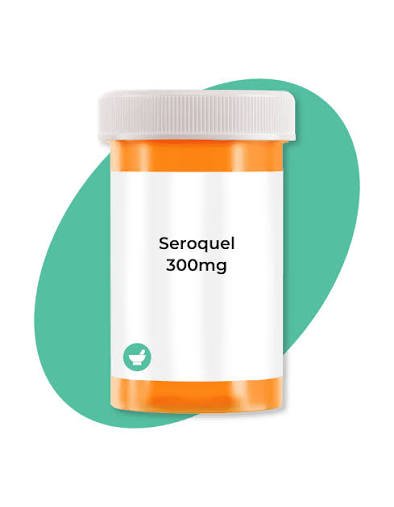
- 300 mg
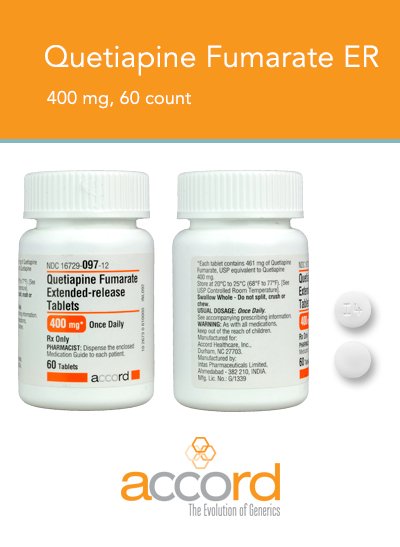
- 400 mg
Your prescribed dose depends on your diagnosis, age, medical history, response to treatment, and any other medicines you are taking.
Missed Dose
If you forget to take a dose, take it as soon as you remember unless it is nearly time for your next scheduled dose. If your next dose is due soon, skip the missed dose and continue with your regular dosing schedule.
Do not take two doses together to make up for a missed dose, as this may increase the likelihood of side effects.
Storage
Store quetiapine tablets at room temperature in their original packaging, protected from moisture, heat, and direct sunlight. Keep the medicine out of the reach of children and pets. Do not use tablets after the expiry date shown on the packaging. Dispose of unused or expired medicines in accordance with your local pharmacy’s disposal recommendations rather than disposing of them in household waste or wastewater systems.
Possible Side Effects
Like all prescription medicines, quetiapine may cause side effects, although many people complete treatment without experiencing serious problems. Some side effects are more common when treatment begins or after a dose increase and often improve as your body adjusts to the medication.
Common side effects include:
- Drowsiness or feeling sleepy.
- Dizziness, especially when standing up quickly.
- Dry mouth.
- Constipation.
- Blurred vision.
- Weight gain.
- Upset stomach or indigestion.
- Fatigue.
Quetiapine may also increase blood sugar, cholesterol, and triglyceride levels in some patients. Regular monitoring may be recommended, particularly during long-term treatment.
Less common but serious side effects include:
- Irregular or rapid heartbeat.
- Seizures.
- Difficulty swallowing.
- Persistent fever or signs of infection.
- Significant mood changes, including worsening depression or suicidal thoughts.
- Uncontrolled muscle movements affecting the face, tongue, arms, or legs (tardive dyskinesia).
- Neuroleptic malignant syndrome, a rare but serious medical emergency characterised by high fever, severe muscle stiffness, confusion, and changes in heart rate.
- Severe allergic reactions including swelling of the face, lips, tongue, or throat and difficulty breathing.
Seek immediate medical attention if you experience symptoms of a severe allergic reaction, chest pain, fainting, seizures, or signs of neuroleptic malignant syndrome.
Warnings and Precautions
Before taking quetiapine, inform your healthcare provider about your complete medical history, especially if you have:
- Heart disease or abnormal heart rhythm.
- High blood pressure.
- Diabetes or a family history of diabetes.
- High cholesterol.
- Liver disease.
- Epilepsy or a history of seizures.
- Difficulty swallowing.
- Low white blood cell counts.
- Thyroid disorders.
- Eye conditions such as cataracts.
Older adults with dementia-related psychosis have an increased risk of serious adverse events when treated with antipsychotic medicines. Quetiapine is not approved for treating behavioural problems associated with dementia unless specifically recommended by a specialist.
Alcohol should be avoided during treatment because it may increase drowsiness and impair coordination.
Quetiapine may reduce your body’s ability to regulate temperature. Stay well hydrated and avoid prolonged exposure to excessive heat.
Drug Interactions
Quetiapine may interact with a number of medicines, potentially affecting its safety or effectiveness. Tell your healthcare provider about every medicine, supplement, or herbal product you use.
Medicines that may interact include:
- Other antipsychotic medicines.
- Medicines used to treat depression or anxiety.
- Medicines that prolong the QT interval.
- Certain antibiotics and antifungal medicines.
- Medicines used to treat epilepsy.
- Rifampicin.
- Medicines that cause drowsiness, including sleeping tablets and opioid pain medicines.
- Alcohol.
Your healthcare professional may adjust your treatment or recommend additional monitoring if interactions are likely.
Pregnancy and Breastfeeding
If you are pregnant, planning a pregnancy, or breastfeeding, discuss your treatment with your healthcare provider before taking quetiapine.
The benefits and potential risks should be carefully evaluated for each individual. Babies exposed to antipsychotic medicines during late pregnancy may require monitoring after birth for temporary withdrawal or movement-related symptoms.
Quetiapine passes into breast milk in small amounts. Your healthcare provider will help determine whether breastfeeding should continue while receiving treatment.
Driving and Operating Machinery
Quetiapine commonly causes drowsiness, dizziness, or reduced alertness, particularly when treatment begins or after a dose increase. Avoid driving, cycling, or operating machinery until you know how the medicine affects you.
Overdose
Taking more quetiapine than prescribed may cause excessive drowsiness, confusion, rapid heartbeat, low blood pressure, breathing difficulties, or loss of consciousness.
If an overdose is suspected, seek emergency medical care immediately. Take the medicine packaging with you if possible to assist healthcare professionals.
Buying Quetiapine Online
Quetiapine is a prescription-only medicine and should only be supplied following assessment by a qualified healthcare professional.
At Redcare Pharmacy, eligible patients can request treatment through a secure online consultation. If approved, your prescription will be reviewed by a licensed prescriber and your medication will be dispensed by a registered pharmacy before being delivered in discreet packaging.
Never share quetiapine with another person, even if they have similar symptoms. Continue attending scheduled medical appointments so your treatment, physical health, and response to therapy can be monitored appropriately.
Additional Information
For further information about quetiapine and mental health treatment, consult these trusted resources:


Reviews
There are no reviews yet.