

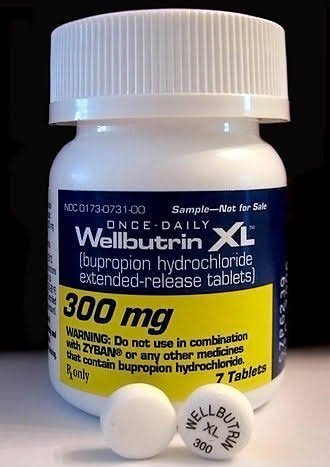
Wellbutrin
Original price was: €200.00.€150.00Current price is: €150.00.
Wellbutrin contains bupropion hydrochloride, a prescription antidepressant used to treat major depressive disorder and seasonal affective disorder. This guide explains how it works, recommended use, potential side effects, precautions, and other important safety information.
Description
Wellbutrin (Bupropion Hydrochloride)
Wellbutrin is a prescription medicine that contains the active ingredient bupropion hydrochloride. It belongs to a group of medicines known as norepinephrine and dopamine reuptake inhibitors (NDRIs). Healthcare professionals prescribe Wellbutrin to treat major depressive disorder (MDD) and seasonal affective disorder (SAD) in appropriate patients.
Unlike many other antidepressants, bupropion has little effect on serotonin. Instead, it works by increasing the activity of dopamine and norepinephrine, two neurotransmitters involved in mood, motivation, attention, and energy. This different mechanism makes it an alternative option for some patients when other antidepressants are not suitable.
For prescribing information, consult the European Medicines Agency (EMA), the Electronic Medicines Compendium (eMC), and the NHS.
How Does Wellbutrin Work?
Bupropion helps increase the availability of dopamine and norepinephrine within the brain by slowing their reabsorption into nerve cells. These neurotransmitters play an important role in regulating mood, concentration, motivation, and emotional wellbeing.
By improving communication between nerve cells, Wellbutrin helps reduce symptoms associated with depression. It also blocks certain nicotine receptors, which explains why bupropion is used under a different brand name for smoking cessation.
What Is Wellbutrin Used For?
Healthcare professionals prescribe Wellbutrin for several approved uses, including:
- Major depressive disorder (MDD).
- Seasonal affective disorder (SAD).
In some situations, healthcare professionals may prescribe bupropion for other clinical purposes when they believe it is appropriate for an individual patient.
Available Formulations
Bupropion is available in different tablet formulations designed to release the medicine at different rates:
- Immediate-release tablets.
- Sustained-release (SR) tablets.
- Extended-release (XL) tablets.
Common strengths include 75 mg, 100 mg, 150 mg, 200 mg, and 300 mg, depending on the formulation prescribed.
How to Take Wellbutrin
Always take Wellbutrin exactly as prescribed by your healthcare professional. Tablets should be swallowed whole with water and should not be crushed, split, or chewed unless specifically advised.
Depending on the prescribed formulation, the medicine is usually taken once or twice daily. It may be taken with or without food. If stomach discomfort occurs, taking it with food may help.
If you forget a dose, take the next scheduled dose as directed. Do not take extra tablets to make up for a missed dose.
How Long Does Wellbutrin Take to Work?
Some people notice improvements in energy, motivation, or concentration within the first one to two weeks. Full improvement in depressive symptoms often takes between four and six weeks of regular treatment. Continue taking the medicine as prescribed and attend follow-up appointments so your healthcare provider can assess your response.
Possible Side Effects
Like all prescription medicines, Wellbutrin (bupropion hydrochloride) may cause side effects, although many people tolerate treatment well. The likelihood and severity of side effects vary between individuals and often improve as the body adjusts to the medication.
Common side effects include:
- Headache.
- Dry mouth.
- Nausea.
- Difficulty sleeping (insomnia).
- Constipation.
- Increased sweating.
- Dizziness.
- Sore throat.
- Changes in appetite or body weight.
Seek immediate medical attention if you develop symptoms such as seizures, severe allergic reactions, chest pain, sudden changes in vision, severe skin reactions, or significant mood changes including suicidal thoughts.
Warnings and Precautions
Before starting Wellbutrin, inform your healthcare provider about your complete medical history and all medicines you currently take.
Wellbutrin may not be suitable for people with:
- A history of seizures or epilepsy.
- Eating disorders such as anorexia nervosa or bulimia.
- Severe liver disease.
- Kidney impairment.
- Bipolar disorder.
- High blood pressure.
- Recent head injury.
- Alcohol or substance dependence.
- Narrow-angle glaucoma.
The medicine carries important safety warnings regarding seizure risk and the possibility of worsening depression or suicidal thoughts, particularly during the early stages of treatment or after dose adjustments. Patients should remain under regular medical supervision.
Drug Interactions
Wellbutrin may interact with several prescription medicines, over-the-counter products, and herbal supplements.
Tell your healthcare provider if you use:
- Monoamine oxidase inhibitors (MAOIs).
- Other antidepressants.
- Antipsychotic medicines.
- Medicines used to treat seizures.
- Certain antibiotics.
- Medicines that affect liver enzymes.
- St John’s Wort or herbal supplements.
- Medicines that increase seizure risk.
Do not start or stop any medication without consulting your healthcare provider.
Pregnancy and Breastfeeding
If you are pregnant, planning a pregnancy, or breastfeeding, discuss treatment options with your doctor before using Wellbutrin. Your healthcare provider will carefully assess the expected benefits and potential risks before recommending treatment.
Bupropion passes into breast milk. Decisions regarding treatment during breastfeeding should always be made together with a qualified healthcare professional.
Storage Instructions
Store Wellbutrin tablets at room temperature in their original packaging, protected from moisture, heat, and direct sunlight. Keep all medicines out of the reach of children and pets. Do not use the medicine after the expiry date printed on the packaging.
Frequently Asked Questions
How long should Wellbutrin be taken?
The duration of treatment varies according to your diagnosis and response. Many patients continue treatment for several months after symptoms improve to reduce the risk of relapse.
Can I stop taking Wellbutrin suddenly?
No. Treatment should only be stopped under medical supervision. Your healthcare provider may gradually reduce your dose to minimise withdrawal symptoms and reduce the risk of symptom recurrence.
Can Wellbutrin be taken with food?
Yes. Wellbutrin may be taken with or without food. Taking it with food may help reduce stomach discomfort in some individuals.
How quickly does Wellbutrin work?
Some people notice improvements within one to two weeks, while the full antidepressant effect may take four to six weeks of continuous treatment.
Additional Information
Wellbutrin should always be used exactly as prescribed by a qualified healthcare professional. Regular follow-up appointments allow your healthcare provider to monitor your progress, adjust your treatment if needed, and assess for possible side effects.



Reviews
There are no reviews yet.